Armenia cultural tours offer much more than visits to ancient monasteries and historic churches. Beyond these famous landmarks, Armenia has a rich collection of traditions, local crafts, regional cuisine, and cultural experiences. Together, they reveal the country’s identity and the everyday lives of its people.
While monasteries remain an important part of Armenia’s heritage, they tell only part of its story. From traditional bread-making to Armenian music, every region offers something different.
Moreover, travelers can meet local artisans, explore lively markets, and experience the hospitality that makes Armenia memorable. Our Armenia tours combine famous historical landmarks with local traditions and authentic cultural experiences.
Discover Armenian Culture Through Local Traditions
Armenian traditions have developed over thousands of years. Today, many remain part of everyday life, especially in villages and smaller towns.
During cultural tours in Armenia, visitors can discover how these customs continue across generations. Some traditions relate to food, while others involve music, craftsmanship, or family celebrations.
For example, guests may join a traditional cooking workshop or visit a local artisan’s studio. These experiences provide opportunities to learn directly from the people who preserve Armenia’s cultural heritage.
Furthermore, local interactions often become some of the most memorable moments of a journey.
Armenian Cuisine: Discover Culture Through Food
Food plays an important role in Armenian culture. Traditional meals bring families together, celebrate special occasions, and reflect the country’s agricultural heritage.
Lavash: Armenia’s Traditional Bread
Lavash is one of Armenia’s best-known culinary traditions. This thin flatbread is traditionally baked inside a clay oven called a tonir.
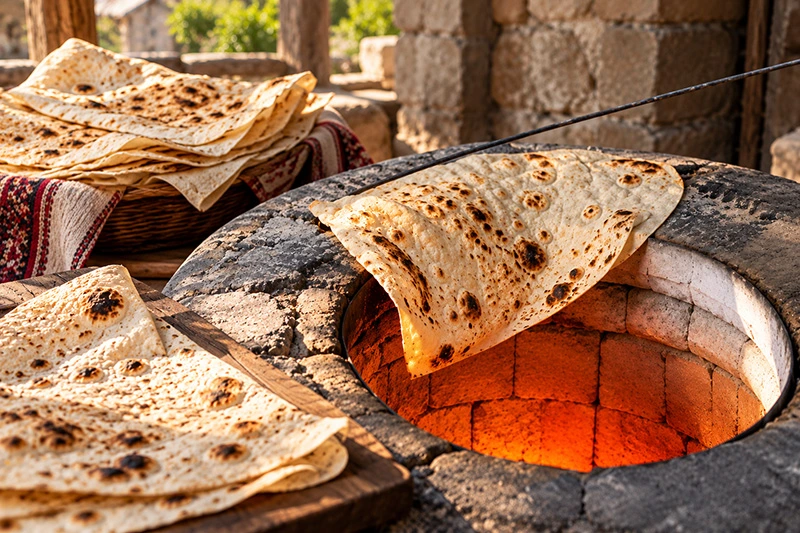
In 2014, UNESCO recognized the preparation, meaning, and appearance of traditional Armenian lavash as intangible cultural heritage.
Visitors can watch local bakers prepare the dough, stretch it, and place it against the oven’s hot walls. Additionally, some workshops allow guests to participate in the process.
Fresh lavash, served with local cheese and herbs, offers a simple yet memorable Armenian food experience.
Traditional Armenian Dishes
Armenian cuisine includes many dishes that reflect regional ingredients and family recipes.
Dolma, made with stuffed grape leaves or vegetables, remains a favorite throughout the country. Meanwhile, khorovats, Armenian barbecue, often accompanies family gatherings and celebrations.
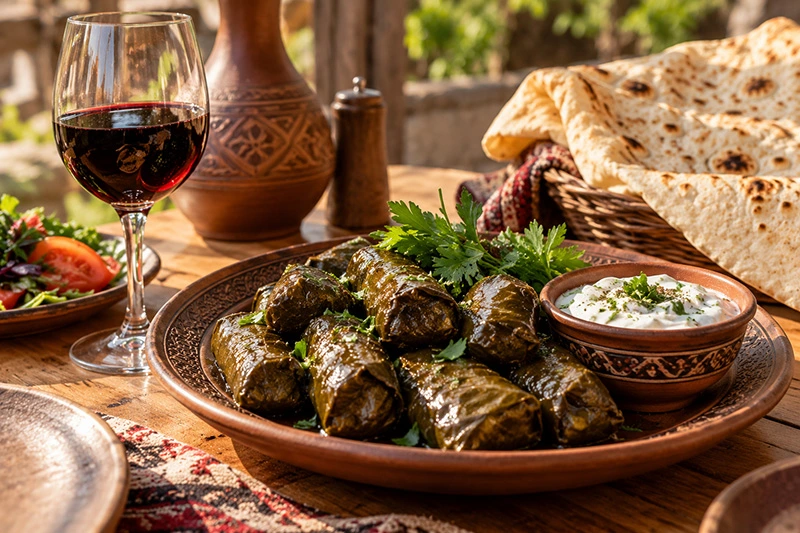
Other specialties include harissa, ghapama, and gata. Each dish offers a different introduction to Armenian culinary traditions.
Therefore, including local food experiences in a cultural itinerary adds another layer to the journey.
Armenian Wine Culture: Discover Ancient Winemaking Traditions
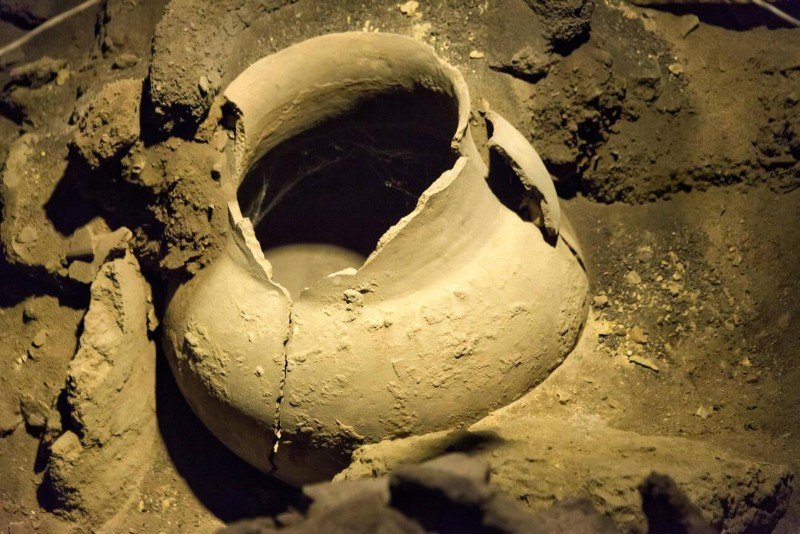
Armenia has a remarkable winemaking history. Archaeological discoveries at the Areni-1 Cave revealed evidence of winemaking dating back approximately 6,100 years.
Today, the country’s wine industry combines this ancient heritage with modern production methods.
Visit the Areni Wine Region
The village of Areni, located in Vayots Dzor, is one of Armenia’s best-known wine destinations.
Here, travelers can visit local wineries and taste wines produced from indigenous grape varieties. The Areni Noir grape is particularly associated with the region.
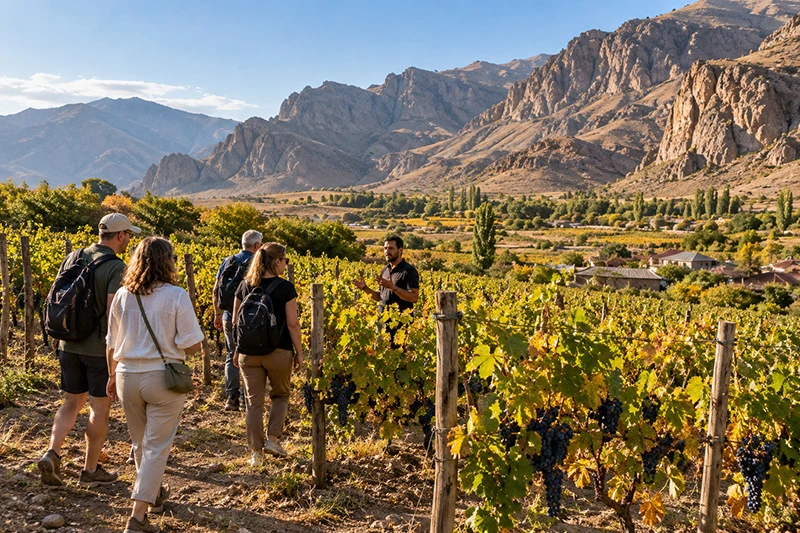
Moreover, some family-run wineries offer a more personal experience. Guests can learn about local production methods while enjoying wine alongside cheese, bread, and other Armenian appetizers.
During autumn, the grape harvest adds another interesting dimension to the region’s cultural landscape.
Many Armenia tour packages include visits to Areni, where travelers can explore the country’s ancient winemaking traditions.
Traditional Armenian Crafts and Handmade Art
Armenia has a long history of craftsmanship. Carpet weaving, pottery, woodcarving, and stone carving remain important expressions of its artistic heritage.
Although modern products are widely available, traditional handmade items continue to attract both locals and visitors.
Armenian Carpet Weaving
Armenian carpets are known for their geometric patterns, symbolic designs, and rich colors.
Historically, families passed weaving techniques from one generation to another. Today, visitors can discover these traditions through workshops and specialized museums.
For example, watching a skilled weaver at work reveals the patience and precision behind each carpet.
Pottery and Woodcarving
Traditional pottery remains another interesting part of Armenian craftsmanship.
In workshops, artisans shape clay into decorative and practical objects. Meanwhile, woodcarvers produce handmade souvenirs featuring Armenian patterns and cultural symbols.
Some studios also offer practical sessions where visitors can try basic techniques.
These activities make Armenia cultural tours especially appealing to travelers interested in art and local traditions.
Armenian Music and Dance: Experience Living Traditions
Music has always played an important role in Armenian cultural identity.
Traditional instruments, folk songs, and dances continue to appear during celebrations, festivals, and cultural performances.
The Duduk: Armenia’s Traditional Instrument
The duduk is a traditional Armenian woodwind instrument, usually made from apricot wood.
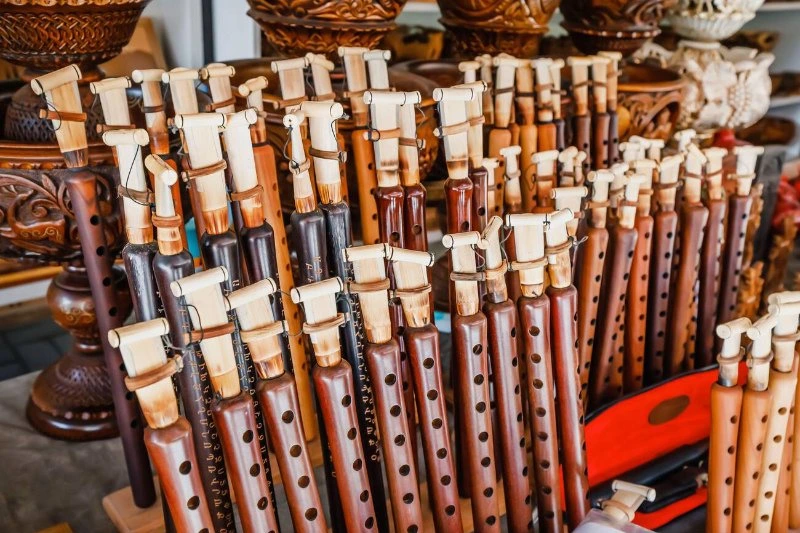
Its warm, expressive sound has become closely associated with Armenian music. UNESCO also recognizes Armenian duduk music as intangible cultural heritage.
Travelers may hear duduk performances during cultural events, traditional dinners, or organized musical experiences.
Armenian Folk Dancing
Traditional Armenian dances often reflect community celebrations, regional customs, and historical themes.
One well-known example is Kochari, a group dance performed during festive occasions. UNESCO included Kochari on its Representative List of the Intangible Cultural Heritage of Humanity in 2017.
Additionally, some cultural programs invite visitors to learn basic dance movements.
Participating in these activities creates a stronger connection with Armenia’s living traditions.
Explore Local Markets and Everyday Armenian Life
Markets provide an interesting introduction to daily life in Armenia.
Unlike conventional sightseeing attractions, they reveal how people shop, socialize, and maintain local traditions.
Vernissage Market in Yerevan
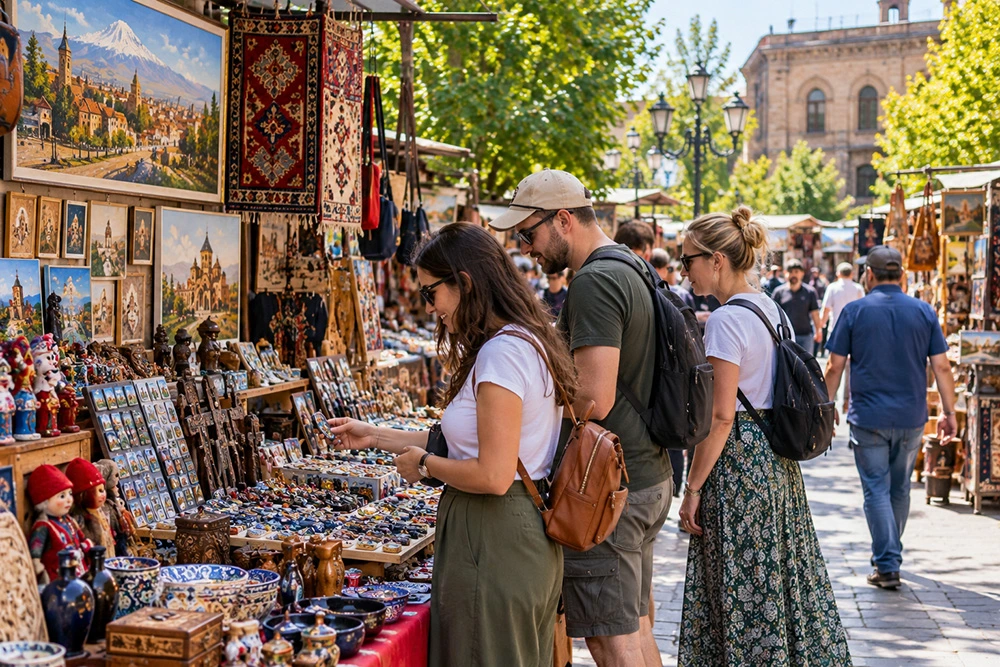
Yerevan’s Vernissage Market is a popular destination for handmade crafts, artwork, jewelry, and traditional souvenirs.
Visitors can browse carpets, ceramics, wooden objects, and decorative items inspired by Armenian heritage.
Moreover, speaking with local vendors provides opportunities to learn about the stories behind their products.
Local Food Markets
Food markets offer another perspective on Armenian culture.
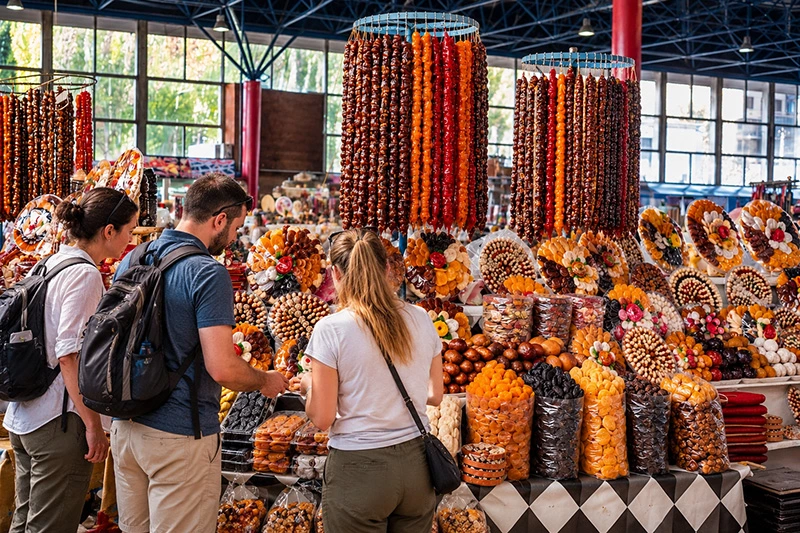
Colorful stalls display seasonal fruits, dried fruits, herbs, spices, and traditional sweets.
For example, travelers can discover sujukh, a sweet made from walnuts coated in thickened grape juice.
These markets also provide excellent opportunities for photography and observing everyday life.
Experience Armenian Hospitality in Villages
One of the most rewarding aspects of Armenia cultural tours is meeting local people.
Armenian hospitality extends beyond hotels and restaurants. In many villages, welcoming guests remains an important part of family life.
Family-Hosted Meals and Rural Experiences
Some cultural itineraries include visits to local homes, where travelers can enjoy homemade dishes and learn about family traditions.
Depending on the experience, guests may help prepare traditional food, explore gardens, or hear stories about village life.
Furthermore, rural communities often preserve customs that visitors rarely encounter in larger cities.
Our small group tours in Armenia offer opportunities to explore local traditions and experience Armenian hospitality.
These personal interactions offer a different perspective on Armenia and its people.
Cultural Festivals and Seasonal Celebrations
Armenia hosts various festivals celebrating its food, music, crafts, and agricultural traditions.
For example, the Areni Wine Festival highlights local winemaking, while food festivals introduce visitors to traditional Armenian dishes.
Meanwhile, cultural performances and craft exhibitions showcase regional artistic traditions.
Festival dates and programs can change each year. Therefore, travelers should check the local calendar before planning their visit.
Including a festival in an itinerary can make a cultural journey even more memorable.
Conclusion: Discover Armenia Beyond Its Monasteries
Armenia’s monasteries remain essential landmarks, but the country’s cultural identity reaches far beyond them.
Traditional food, ancient winemaking, handmade crafts, music, and village hospitality reveal a more personal side of Armenia.
Furthermore, these experiences allow travelers to connect with local communities rather than simply observe historic attractions.
By combining famous landmarks with authentic cultural activities, Armenia cultural tours offer a deeper understanding of the country’s heritage, traditions, and everyday life.
FAQ
What can you experience on Armenia cultural tours
Armenia cultural tours can include traditional cooking workshops, wine tastings, craft demonstrations, local markets, and cultural performances. Many itineraries also combine these activities with visits to historical monuments and monasteries.
What is the best time to experience Armenian culture
Spring and autumn are excellent seasons for cultural travel in Armenia. Autumn is particularly attractive for wine experiences, harvest activities, and food festivals. However, cultural attractions and traditional workshops are available throughout the year.
Can small group tours in Armenia include cultural experiences
Yes. Small group tours can include visits to local wineries, traditional markets, artisan workshops, and family-hosted meals. Available experiences depend on the itinerary, season, and local arrangements.